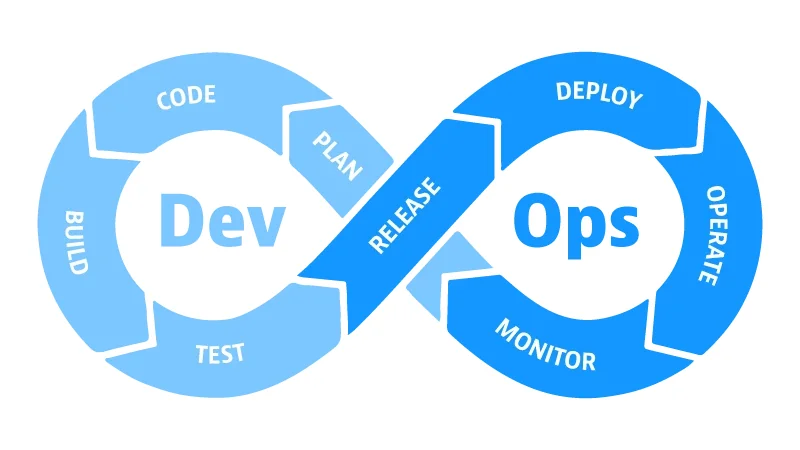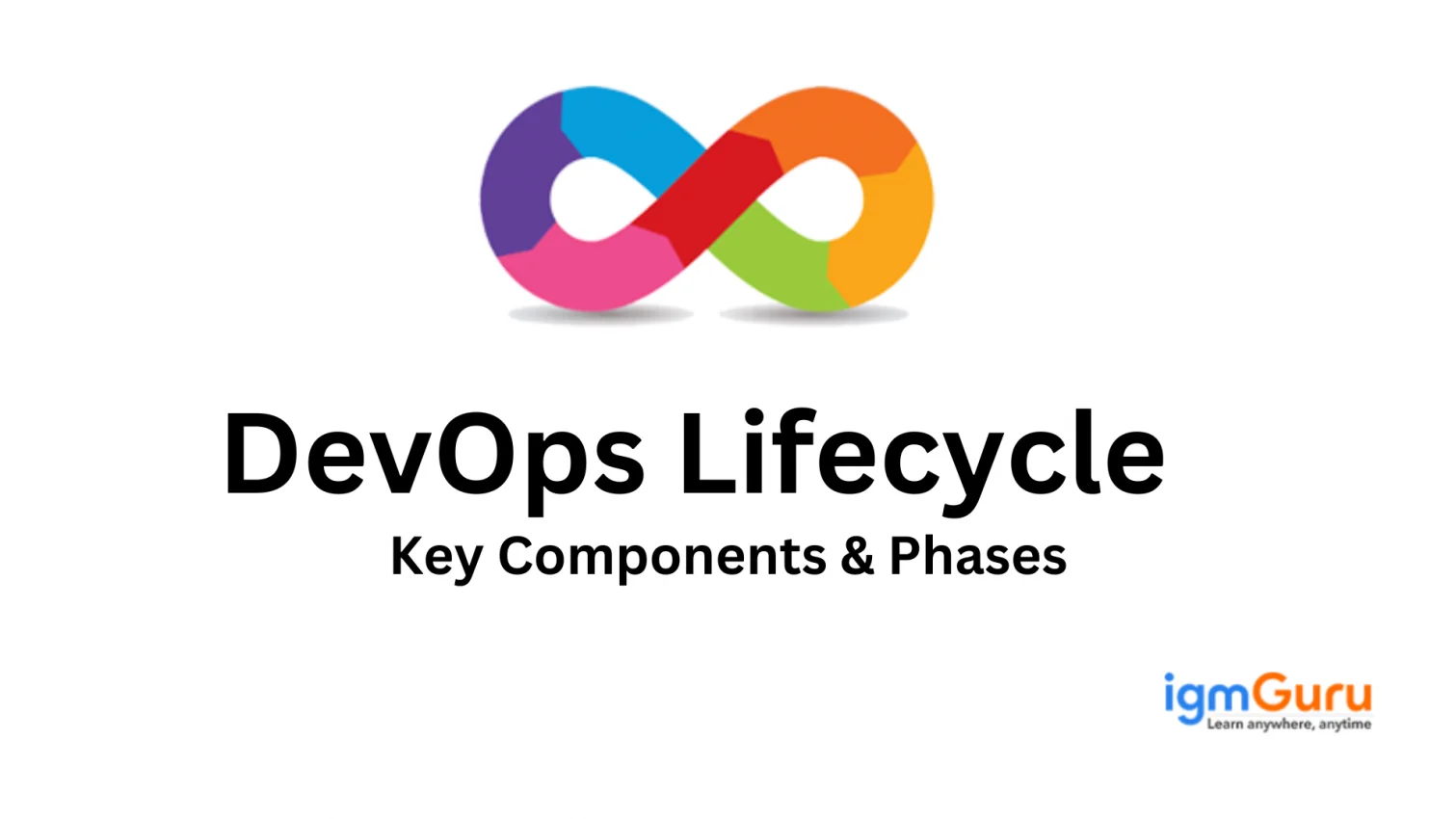
DevOps is a practice that allows professionals to streamline the software development lifecycle and delivery. Right from development, deployment, testing, release, operation, to display, the DevOps professional takes care of them by bridging the gap between software development and operational teams. World's top tech giants such as Amazon, Netflix, etc., rely on this process to improve overall customer experience. In this article, we will discuss the DevOps lifecycle and important components related to it.
Let's get started.
The DevOps lifecycle is a representation of its transformative approach for modern software development. It highly emphasizes automation, continuous improvement and collaboration. DevOps integrates operations and development to streamline workflows for enhanced productivity and top-quality software delivery.
Explore igmGuru's DevOps Course program to build your career in DevOps.
Here are the key components of the DevOps Lifecycle:
This phase involves coding and planning. Development teams accumulate requirements, write the code and plan the project. The goal is to outline coding standards and a clear roadmap. Top tools used are SVN, Git, Confluence, and Jira. It uses collaborative planning tools like integrated issue trackers and real-time whiteboards to ensure team members are aligned with the project's goals.
Continuous Integration includes frequently combining code changes with automated testing. This helps in detecting and addressing all issues early. This phase helps the codebase remain up-to-date and healthy. Top tools for this are Travis CI, Jenkins, GitLab CI, and CircleCI.
AI-powered testing tools are used for predicting potential integration conflicts as well as suggesting solutions. All this happens before any conflict becomes a critical issue. Automated code quality analysis tools offer quick feedback. This helps developers in consistently maintaining high standards.
In the continuous testing phase, automated tests are constantly run on the integrated code. This helps in ensuring that it meets the set standards for security, performance and functionality. Top tools used during this phase are TestNG, Selenium, Appium and JUnit. Advanced Machine Learning algorithms easily optimize test case generation as per historical data. This enhanced efficiency and coverage.
The Continuous Deployment phase automates the release of all changes to the production environment. It is imperative to ensure that bug fixes and new features are delivered as quickly as possible to the users. Top tools used here are Docker, Kubernetes, Terraform and Ansible.
Modern orchestration tools help with complicated deployment workflows. This enables features such as canary releases and blue-green deployments. These methods reduce the risk linked with new releases. It ensures that only tested and stable updates are received by the users.
Continuous monitoring helps in tracking the health and performance of infrastructure and applications in real time. Hence, it aids in identifying any issues prior to their impact on users. Top tools used here are Grafana, Prometheus, ELK Stack and Nagios. Machine Learning and predictive analytics can estimate potential performance bottlenecks. This allows proactive adjustments. Automated scaling as per real-time metrics facilitates optimal performance under different loads.
It means gathering as well as analyzing feedback from stakeholders and users to guide future development cycles. It helps the product to evolve as per market demands and user needs. Top tools used are analytics platforms, user feedback tools and A/B testing tools. Real-time sentiment analysis and feedback loops tools offer hand-to-hand insights into user experience. This facilitates continuous improvement and rapid adjustments.
This phase shortens the planned downtime like scheduled maintenance by automating the app launching process and its updates. The process of building and deploying the application in different environments is simplified with top container management tools like Docker and Kubernetes.
Developers need to take the offline server to create the updates in general. This leads to more downtime and costs. Continuous operations save developers’ time by boosting application uptime to give uninterrupted services.
Related Article- DevOps Architecture
Here are the important phases of the DevOps lifecycle:
Planning means defining the objectives, requirements and scope of the project. It sets the foundation for the development process. It includes requirement gathering, collaborative planning, creating a detailed roadmap and goal setting. Top tools used here are Trello, Jira and Confluence.
The next phase is coding, which means developing the features or application as per the planned requirements. It involves reviewing and writing code. It includes activities like code review, coding, managing code repositories and version control. Top tools used here are Bitbucket, Git and GitHub.
This phase helps in compiling the code into individual executable files and preparing them for deployment. It ensures that the app is built and even deployed reliably. Activities it includes are artifact management, continuous integration and automated builds. Top tools used in this phase are Maven, Jenkins and Gradle.
The testing phase makes sure that the application is without any defects and performs perfectly as expected. It focuses on validating the security, performance and functionality of the application. The activities it performs are performance testing, automated testing and security testing. Top tools used during this phase are JUnit, Selenium and LoadRunner.
The objective of this phase is to deploy the application effectively to the production environment. It includes managing deployment and configuration processes. The most often performed activities during this phase are change management, configuration management and deployment automation. Top tools used here are Chef, Ansible and Puppet.
During the deployment phase, the application is made available to users. It directs its focus towards the final deployment steps. The goal is to ensure that the app is running smoothly in the production environment. Common activities performed here are environment provisioning, orchestrated deployments and rollback strategies. Top tools for this phase are Docker Swarm, Kubernetes and AWS ECS.
The application is managed in the production environment to make sure it runs perfectly. It focuses on maintaining and monitoring the app's reliability and performance. Activities performed are incident management, monitoring and operational support. Top tools involved are Nagios, Prometheus and ELK Stack.
It is all about continuously monitoring the app's performance, along with user experience. It focuses on garnering data for continuous improvement. It includes activities like log analysis, performance monitoring and user feedback collection. Tools used are Splunk, Grafana and New Relic.
You may also read- In-Demand DevOps Engineer Skills To Learn
To summarize, the lifecycle of DevOps is a continuous software advancement approach that uses automated processes and iterative development. Organizations can now accomplish continuous improvement, cooperation, and automation. It results in more efficient and dependable software delivery. If you desire to make the most of this industry trend for your business, then it's time to start exploring now.
Yes, the DevOps lifecycle is very important to streamline the overall development and delivery process.
There are plenty of resources available online that you can use to build your foundation. Working on projects will give you a deeper understanding of it.
Course Schedule
| Course Name | Batch Type | Details |
| DevOps Training | Every Weekday | View Details |
| DevOps Training | Every Weekend | View Details |