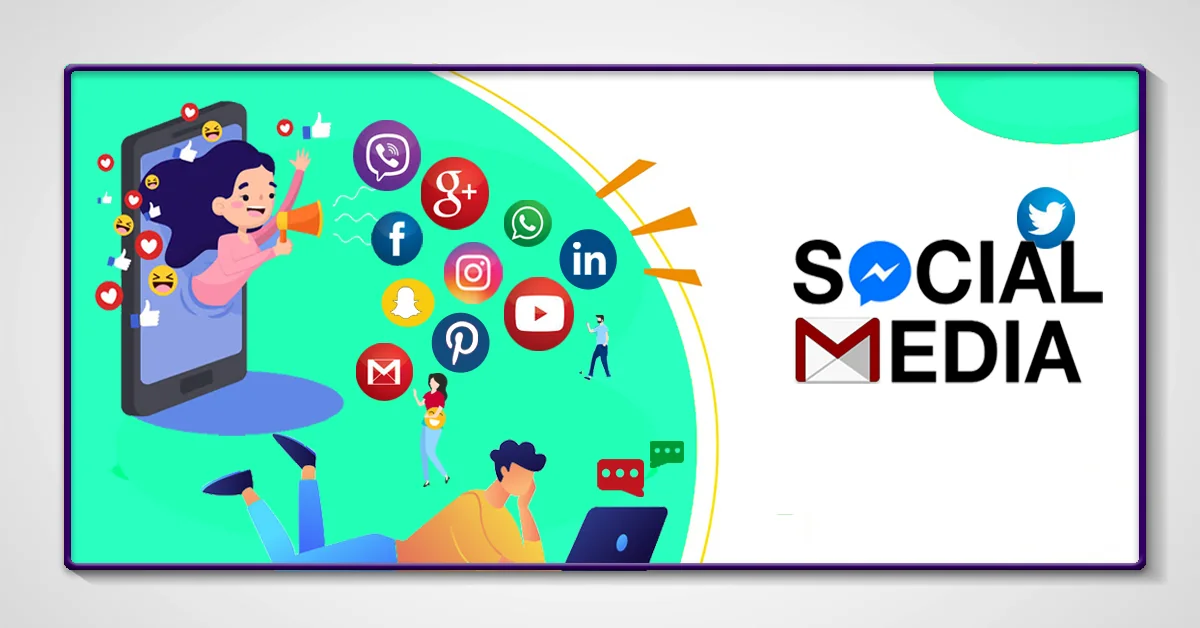
Have you ever liked a post, shared a reel or followed a brand because their content caught your attention? That is the power behind Social Media Marketing. It is a way businesses communicate and connect with people through social networking platforms.
It is not like traditional ads, brands share creative content, interact with users and build real conversations. This helps them grow their audience, strengthen their image and encourage people to try their products or services.
In this blog, I will explain to you what is SMM, its types for marketing strategies, how it works with my own example and most importantly key metrics & KPIs. Let's get started!
Social media marketing is the type of digital marketing using social platforms, such as Instagram, Meta, Snapchat, YouTube and many more platforms. It helps promote products, create brand awareness and reach out to consumers. It uses both organic and paid content to increase sales, that bring more visitors to the website and builds strong customer loyalty.
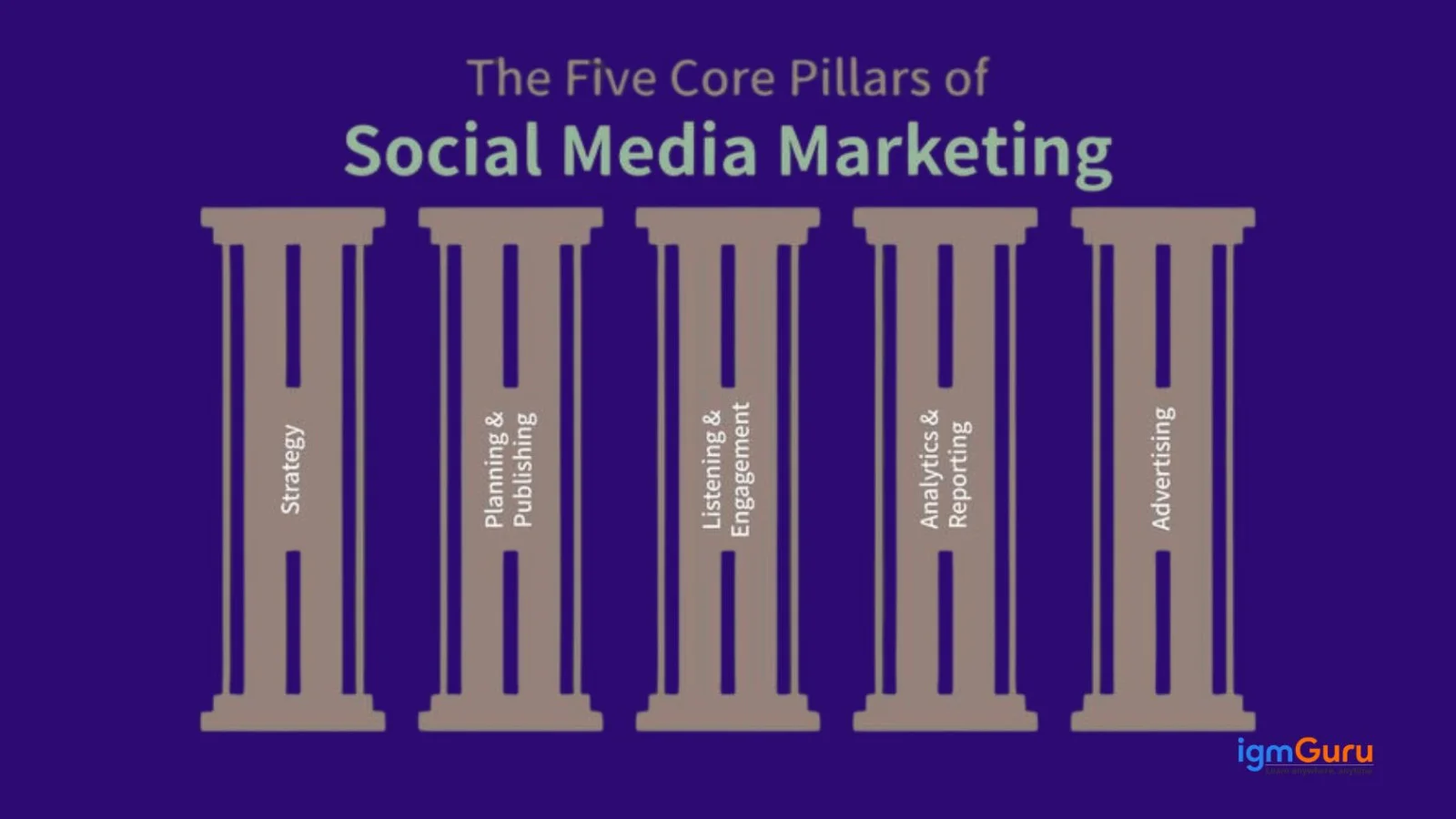
SMM will help your business connect with people online and grow your brand step by step. To do it successfully, there are a few important pillars that you should know. These pillars guide your actions, help you stay focused and make sure your efforts bring real results.
You should know what you want to achieve, such as increasing followers, building brand awareness or generating sales. Clear goals help you stay focused and organized. When you understand your target audience and set real goals, your actions become more meaningful and effective.
Different social media platforms attract different types of users. It is important to choose the platforms where your target audience is most active. Instead of trying to use every platform, focus on the ones that match your business type. This helps you manage your time better and create content that truly connects.
Content creation includes posts, images, videos and stories that people see and interact with. Good content should be helpful, interesting or entertaining. Posting consistently helps build trust and keeps your audience engaged.
Social media is about building relationships, not just sharing information. Replying to comments, answering messages and asking questions show that you care about your audience. When people feel valued, they trust your brand more.
Paid advertising helps you reach more people faster. Even a small budget can bring good results if used wisely. It is important to test different ads and track their performance. Look at numbers like views, clicks and conversions. But make sure that you do advertising on the right platform according to your content.
Read Also- Digital Marketing Interview Questions
There are various social media platforms where creators, influencers or businesses promote their products or services. Here are the most famous ones:
| Platform | Best For | Type of Content That Works Well |
|---|---|---|
| Meta (Facebook) | Building communities and running paid ads. | Posts, images, videos, live videos, groups or ads. |
| Brand awareness and influencer marketing. | Reels, stories, aesthetic photos, short videos. | |
| X (Twitter) | Real-time updates and engaging in discussions. | Short posts (tweets), threads, trending topics. |
| B2B marketing and personal branding. | Articles, professional posts and company updates. | |
| Youtube | Tutorials, product reviews, brand storytelling. | Long videos, shorts, educational content. |
| TikTok | Reaching younger audiences and viral marketing. | Short, creative, trendy videos. |
| Fashion, food, DIY and lifestyle marketing. | Infographics, idea pins, aesthetic images. | |
| Threads by Instagram | Casual brand communication and community engagement. | Short text posts, opinions, conversations, updates. |
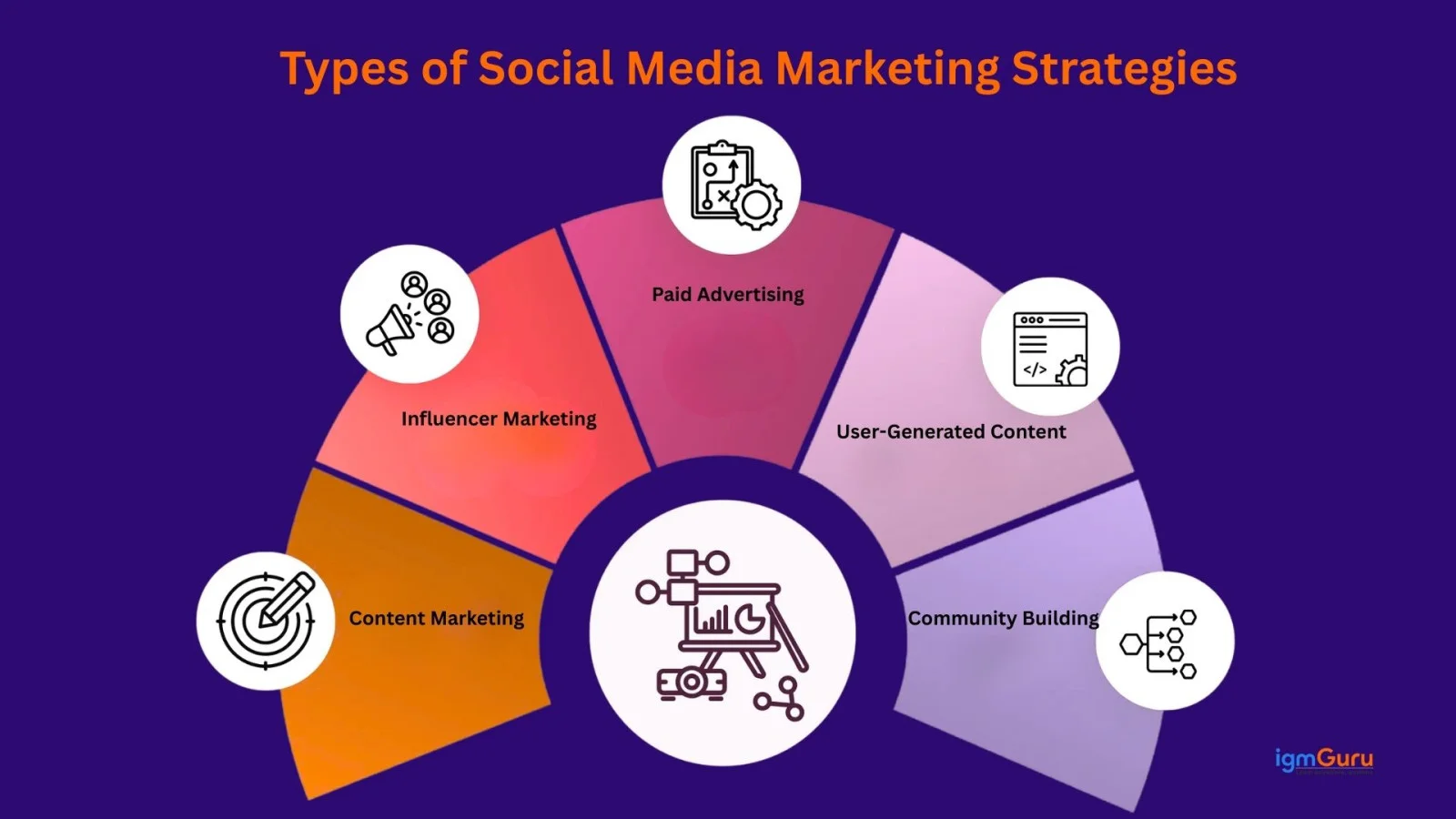
Influencers and businesses use different SMM strategies to promote their brand, connect with their audience and increase sales through social media platforms. These strategies help them grow online, build trust and reach more people in smart and creative ways.
Content marketing means creating useful, interesting or entertaining posts to attract people. This can include videos, reels, blogs, infographics or stories. The goal is not just to sell, but to give value. When people find your content helpful, they start trusting your brand and may buy from you later.
Influencer marketing means working with popular social media creators who already have many followers. These influencers promote your product to their audience. Since followers trust them, people are more likely to try your product. It helps brands reach new audiences quickly and build credibility.
Paid advertising means running ads on social media platforms like Facebook, Instagram or LinkedIn. You pay money to show your posts to specific people based on age, location, interests, etc. It helps you reach more people faster and increase sales, website visits or brand awareness.
Community building means creating a loyal group of followers who regularly interact with your brand. This includes replying to comments, hosting live sessions, asking questions and creating groups. When people feel connected, they support your brand and recommend it to others.
User-generated content means content created by your customers, like reviews, photos or videos using your product. Sharing this builds trust. Giveaways encourage people to like, share and tag friends to win prizes. This increases engagement and helps your brand reach more people naturally.
Read Also- What is Social Media Optimization (SMO)?
As a beginner, it is important to know how to start with your SMM practice so that you can gain more audience. When you don't have a clear plan, you might feel confused or you can even mess things up. Here is a guide for you to understand how you should start posting, for which audience and what content is suitable for them:
Before you start posting anything, just ask yourself a few things:
When you post with a clear goal, that's when you are delivering the right content to your audience or else it's just a waste.
Not every platform is meant for you. For example:
Start with one or two platforms; do not try to be everywhere, as it will create a mess for you.
You should know for whom you are making your content. For example:
Now this is the most important and that is your content must be useful for your audience, as it should:
Remember one thing that people only follow those accounts or pages that have useful content and not random things.
Consistency is important, but that doesn't mean you have to post every single day. Even if you post 3-4 times a week, it is still fine. The only thing to keep in mind is that do not disappear because people will forget about you.
Only posting things will not help your account grow. You should:
After posting for some time, check:
After tracking your result, try to find which content worked well so that you can either repost it or share it somewhere else and if your content is not working, then try to find why.
Read Also- Why Choose A Career In Digital Marketing
Have you ever thought about why some brands succeed rapidly on social media while others fail despite frequent posting? There is no luck in this, but strategic efforts. Let me explain you how SMM works and why it happens:
Branding means how you decide for your audience to see your brand. Are you affordable or premium? Fun or professional? Simple or luxury? Make sure that your posts, design, captions and even replies should match your brand image. When your positioning is clear, people will definitely remember you.
Content Strategy Funnel means how you guide your audience/customer step by step. For example, a person first discovers your page through a helpful post (awareness). They continue watching your content and start trusting your advice (interest). After seeing your consistent value and an offer, they finally decide to purchase (action).
Organic reach means when you start posting without spending money on ads. In simple words, it means that your organic reach would be the number of people who see any of your posts without paying for them. Paid reach is when you pay for people to view your posts.
Social Proof is done by reviews, testimonials, comments, shares and user posts that show that real people are loving your brand. Your customer should feel confident when they are buying from you that their money is being invested perfectly.
Social media is not about selling and gaining views, it's about how you build relationships with your customers and you do that by:
Social media platforms decide which posts people see. This is controlled by algorithms. This means that if your posts get likes, comments and shares, then it will be quickly shown to more people. That is why engaging content is very important.
Following new trends will help you reach more people. When you start using trending topics, sounds or formats, this will increase your visibility. But always make sure the trend matches your brand.
So many people will visit your account or website, but they will not buy anything from you. That's when retargeting comes. It means showing ads again to those people. That will remind them about your product and increases chances of your conversion.
You cannot get results quickly. It takes time to build trust and loyalty. When you stay consistent and provide value, people will genuinely remember your brand and will choose you.
igmGuru, an online platform that offers certification courses, asked me to help them get more students. I started by posting simple and clear information about their courses on Instagram and Facebook. I shared student reviews and real stories of people who completed courses and improved their skills.
I posted regularly, used relevant hashtags and ran small ads when new courses were launched. After some time, more students followed the page, enrolled in courses and told others about igmGuru.
There are various tools that influencers or businesses use to plan, manage, and track their marketing activities on social media platforms. Here are some of the most common tools for SMM:
| Tools | Description |
|---|---|
| Hootsuite | Manage and schedule posts on multiple social media accounts in one place. |
| Buffer | Schedule posts in advance so they publish automatically. |
| Canva | Create attractive social media posts using easy templates. |
| Sprout Social | Schedule posts and check performance reports. |
| Google Analytics | Track website visitors coming from social media. |
| Meta Business Suite | Manage Facebook and Instagram pages, posts, and ads together. |
| Later | Plan and schedule Instagram posts visually. |
Read Also: Benefits of Digital Marketing
Key Metrics and KPIs are the numbers that show whether your social media work is doing well. Let us understand them more in-depth:
Reach means how many people saw your post. For example, if 1M people saw your post, then your reach is 1M. If your primary goal is to give brand awareness, then reach should be very important for you because it shows how many new people are seeing your brand online.
Impression shows how many times people have seen your post. For example, if one person sees your post three times, then it will count as three impressions. This metric helps you understand how many times your content is shown to users.
Engagement and Engagement Rate mean how many share, like and comments you got on your post and how strong your content is, respectively. It is all okay, even if fewer people are watching you, a high engagement rate means your content is strong and your audience truly connects with it.
CTR means how many people have genuinely shown interest in your post or ad by actually clicking on it. For example, if 100 people saw your post and 10 clicked the link, your CTR is 10%. With its help, you will understand how attractive and convincing your content is.
If your followers are growing daily, then it means they are interested in your content. Having Slow or no growth means that you need better content or strategy. It helps you measure your brand's popularity.
Conversion rate means how many people have bought your product, signed up for a newsletter or filled out a form. If many people are taking action on your page, it means that the content you are delivering has strong convincing powers.
ROI will measure how much profit you have gained from your post and ads. If you earn more than you spend, your ROI is positive. It helps you understand if your marketing is successful or not.
When you start doing SMM on your social media page, you will definitely see many benefits. Here are some of the most common ones that will help you understand the importance and why it is worth starting:
If you want to start learning SMM and grow your social media page with better ROI, more sales. You first need to understand what skills are needed for strong brand awareness. Here are some important skills you should have to handle your account better:
Digital Marketing is the big umbrella, and SMM & SEO are strategies under it. Here is a comparison for you to get a better look at it:
| Parameters | SMM | SEO | Digital Marketing |
|---|---|---|---|
| Meaning | Promoting a brand on social media platforms. | Improving website ranking on search engines. | Digital marketing is the online marketing of a business. |
| Main Platforms | Instagram, Meta, LinkedIn, X and many more. | Google, Bing, Yahoo. | Social media, search engines, email, websites, ads. |
| Goal | Increase followers, engagement, and brand awareness. | Get website traffic from search results. | Promote brand, generate leads and sales online. |
| Type of Traffic | Social media users. | Organic (free) search traffic. | Both organic and paid traffic. |
| Speed of Results | Fast | Slow but long-term | Depends on the strategy used |
| Cost | Can be free or paid. | Mostly free (organic efforts). | Both free and paid. |
| Focus | Content, engagement, trends. | Keywords, backlinks, website optimization. | Complete online presence and strategy. |
Social Media Marketing is changing faster than ever. This means whatever digital marketing strategies you were using a few years ago may not give the same results today. Platforms are updating their algorithms, users are consuming content differently and brands are focusing more on personalization and trust. To stay competitive, you must adapt to the latest SMM strategies that are delivering real results.
Short-form videos continue to generate the highest engagement across platforms. Instagram Reels, YouTube Shorts and TikTok are prioritizing quick, vertical content that captures attention within seconds. Brands are now focusing on educational snippets, behind-the-scenes clips, quick tips and relatable storytelling instead of direct selling.
Artificial Intelligence is now deeply integrated into social media marketing. AI tools help brands generate captions, analyze audience behavior, schedule posts at the best time, and even predict trending topics.
Personalization has also become a key strategy. Therefore, brands are creating posts and ads based on user interests, location and previous interactions. This improves engagement rate and increases conversions.
Social media platforms are no longer just for awareness. They are becoming full shopping ecosystems. Features like in-app checkout, product tagging, live shopping sessions and creator collaborations are helping users purchase directly from the platform without visiting external websites.
Brands are investing more in micro and niche influencers rather than top celebrities. The reason is simple. They are connected to their audience with real trust. Micro-influencers have smaller but highly engaged audiences. This strategy often provides better ROI because audiences connect more deeply with niche creators.
Instead of focusing only on follower count, brands are building stronger communities. Private groups, subscriber-only content, broadcast channels and exclusive updates are becoming powerful engagement tools. A loyal community increases repeat purchases, improves trust and encourages word-of-mouth marketing.
Users are more aware of how their data is used. You may have also seen this in the news. This has led the platform to restrict third-party tracking, and brands are relying more on first-party data and transparent communication. The thing is that trust is not optional now. If you communicate honestly and provide real value, you will build stronger long-term relationships with your audience.
Social media will evolve quickly in 2026 to create greater consumer trust in social networks for making purchase choices, provide product discovery within mobile applications, align consumers with younger demographics' fashion/consumer trends, and use artificial intelligence to enhance brand growth opportunities.
McKinsey's State of Marketing 2026 reports that branding and trust are top-ranked priorities for marketing growth, signaling that social content must build deeper brand value, and it is not just short-term engagement.
BCG highlights that personalized customer experiences driven by AI are essential for marketing effectiveness and growth. Shaping how brands want to connect with audiences across digital channels, including social media.
Forbes predicts in its 2026 social media strategies article that automation and AI will streamline social marketing tasks and shift strategic focus toward efficiency, relevance and creativity.
Vogue reports that influencer marketing continues evolving, with creators playing strategic roles in content and community building, a key growth area for social media marketing in 2026.
Social Media Marketing offers many opportunities for businesses to grow their brand and connect with customers. However, achieving consistent results is not always easy. Over the years, I have noticed that many businesses start social media marketing with high expectations but struggle because they underestimate the challenges involved. Understanding these challenges can help you build a more effective strategy and avoid common mistakes.
Social media platforms frequently update their algorithms to improve user experience. As a result, content that performed well a few months ago may suddenly receive less visibility. Marketers must continuously adapt their content strategy and stay informed about platform updates to maintain reach and engagement.
Millions of posts, videos, and stories are published every day across social media platforms. Standing out in such a crowded environment requires creativity, consistency, and a clear understanding of audience preferences. Creating content that captures attention within the first few seconds has become more important than ever.
Building a successful social media presence requires regular posting and continuous audience engagement. Many businesses struggle to maintain a consistent content schedule because of limited time, resources, or creative ideas. Inconsistent posting often results in lower engagement and reduced audience growth.
Social media gives customers a public platform to share both positive and negative opinions. Complaints, criticism, or negative reviews can spread quickly if not handled professionally. Brands must respond promptly, remain transparent, and focus on resolving issues to protect their reputation.
One of the biggest challenges in social media marketing is determining the exact business impact of campaigns. While metrics such as likes, comments, and shares are easy to track, connecting those interactions directly to sales and revenue can be more difficult. Businesses need proper tracking tools and clear goals to accurately evaluate performance.
Social media trends change rapidly. New content formats, viral challenges, platform features, and audience preferences emerge regularly. While participating in trends can increase visibility, constantly chasing every trend can distract brands from their long-term objectives. Finding the right balance is essential.
Modern audiences are highly selective about the brands they follow and support. Overly promotional content often performs poorly because users prefer authentic interactions and valuable information. Businesses must focus on providing genuine value, transparent communication, and meaningful engagement to build lasting trust.
Despite these challenges, social media marketing remains one of the most effective digital marketing strategies available today. The key is to approach it with realistic expectations, a clear strategy, and a willingness to continuously learn and adapt. Businesses that consistently provide value and engage with their audience are far more likely to achieve long-term success.
In this blog, I have explained what is SMM and how you can actually use it to make your account or business boost its visibility, sales & lead and your brand awareness. After reading this article, your next step is to choose one platform, set a clear goal, and start creating valuable content.
To become a SMM specialist, you need the following qualities:
Facebook, YouTube, WhatsApp and Instagram are the most used social media platforms.
Strategy & Goals, Platform Selection, Content Creation, Engagement and Community, and Advertising and Optimization are the core pillars of digital marketing.
SMM analysis is the process of gathering, interpreting and acting on data from social media platforms to evaluate campaign performance, understand audience behavior and optimize strategy.
Course Schedule
| Course Name | Batch Type | Details |
|---|---|---|
| Digital Marketing Training | Every Weekday | View Details |
| Digital Marketing Training | Every Weekend | View Details |